

What Everyone Should Know About Pelvic Floor Physiotherapy
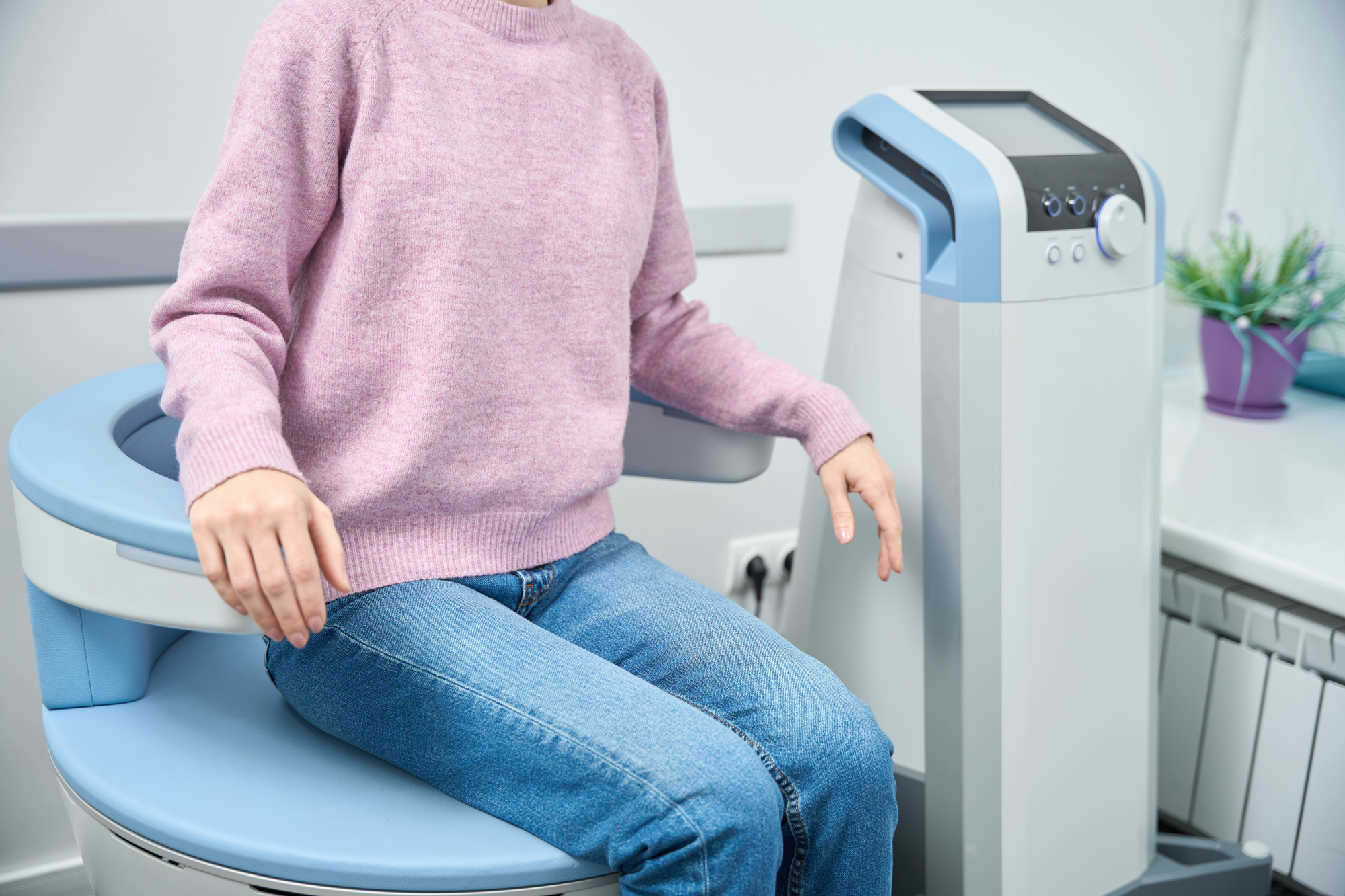
It’s very likely that the thought of the pelvic floor or pelvic floor physio and the importance of it never even crossed your mind; that is, until you notice a problem. The pelvic floor is a group of muscles and ligaments that are located between your tailbone and the pubic bone, which cradle and support the bladder, bowels, and uterus. If the pelvic floor is not functioning at its best, the organs that it supports can droop or malfunction in ways that we may not be aware of.
What is the Pelvic Floor?
Let's take our bladder as an example. If the pelvic muscles that support the group of organs located in our pelvic region are weak, it can cause the bladder to malfunction by making it harder for us to hold urine. There is nothing worse than catching a seasonal cold along with a persistent cough, but add a weak pelvic floor, and you’ve got a whole other problem to contend with: a slight urine leak every time you have a coughing fit. It is very common for people with pelvic floor weakness to experience urine leaks when coughing, sneezing, jumping, or laughing, and this can happen at any age. Because pelvic floor weakness and associated symptoms are not something that is openly talked about, you may actually think what you’re experiencing is just one of those things that goes hand in hand with having had children, or reaching a certain age, where you’ve accepted it as just part of your new normal. But it doesn’t have to be. Pelvic floor weakness is treatable and preventable.
The pelvic floor is a complex system of interwoven layers of muscles and ligaments, basically forming a supportive net-like structure for your bladder, rectum, and sexual organs. Bladder, bowels, and your sexual organ functions are not typically topics that we hear or talk about openly or comfortably because it involves our very own private parts. Still, nonetheless, the pelvic floor is a very important part of our health, where abnormal function can have detrimental impacts on our quality of life and overall well-being.
At Chiro-Med, we cannot stress enough about the importance of pelvic floor health. Poor pelvic floor health and unaddressed weaknesses can have a negative impact on all aspects of your life, whether it’s due to poor bladder or bowel control, uncomfortable or painful intercourse with your partner, or chronic pain that just won’t go away. This is very much treatable, and it’s never too late to seek pelvic floor physiotherapy in Toronto, which is why Chiro-Med offers a variety of treatments, including B-Pulse Pelvic Floor Strengthening, to treat pelvic floor conditions. A referral is not required for an assessment or treatment by a physiotherapist.
Pelvic floor disorders affect us in private, but you do not have to suffer through this alone, let Chiro-Med help you get back to being you.
What is Pelvic Floor Physiotherapy?
Pelvic floor physiotherapy is a type of physiotherapy that is specific to the muscles of the pelvic region of your body that are quite important for your bladder and bowel control, sexual function, healthy pregnancies and spinal support.
Pelvic floor physiotherapy is not a new healthcare trend. In fact, many countries in Europe, such as France and the UK, have been incorporating pelvic floor physio as a standard in post-partum care for several decades now. Europeans recognize how important pelvic floor strength and function are and how preventable future issues are with pelvic floor physiotherapy. Unfortunately, North America, including Canada, has not caught up on the importance of pelvic floor wellness and preventative measures that are available to alleviate the struggles so many Canadians face alone.
Why Try Pelvic Floor Physiotherapy?
A non-surgical approach should always be the first step of any medical intervention, which is why pelvic floor physio is a great non-surgical and non-pharmacological treatment to address pelvic floor disorders.
Pelvic floor physiotherapy treatment is specific to every patient and is designed to address and treat issues that are specific to you. It is also important to note that pelvic floor disorders do not discriminate; everyone has pelvic floor muscles, and as such, this can affect anyone at any stage of their life.
Pelvic Floor Disorders and Physiotherapy
Pelvic floor disorders occur when the muscles of our pelvic region become weak and no longer provide the support our pelvic organs need, causing a whole slew of unexpected problems. Pelvic floor weakness can be caused by childbirth, obesity, age, genetics, surgery (such as hysterectomy or prostate surgery) or injuries.
Pelvic floor physio can treat the following problems associated with pelvic floor weakness:
- Bladder leaks. The pelvic floor is like a gatekeeper for your bladder. It helps keep it closed when you don’t want to pee.
- Bowel leaks can happen when you pass gas or stool without being able to control it. This can happen if your pelvic floor muscles are weak.
- Endometriosis can cause tension in the pelvic floor muscles, which can result in pelvic pain, painful intercourse, and bowel and bladder problems.
- Tight, weak or uncoordinated pelvic muscles can cause painful intercourse.
- Chronic pain in the pelvic, lower back, or genital region can be associated with a pelvic floor disorder.
- Myofascial Pelvic Pain Syndrome (a chronic pain condition from tight pelvic region muscles)
- Chronic Prostatitis (inflammation of the prostate)
What Can I Expect from Pelvic Floor Physio?
A medical exam is necessary to identify the issue and develop a treatment plan. The assessment involves an internal exam that is performed with dignity, respect, and sensitivity. You will be asked to provide a detailed history and concerns you have about your pelvic region functions.
Following the initial exam, the physiotherapist will develop a treatment plan to address weaknesses and areas that would benefit from improvement. Along with the in-clinic treatment, the physiotherapist will also teach you pelvic floor physio exercises that you will be able to do on your own.
Pelvic floor physiotherapy is nothing to be embarrassed or ashamed about. Getting help for something so private can make you feel uncomfortable and totally out of your comfort zone, but living with a pelvic floor condition, which is lifelong if left untreated, is far worse. You are the advocate for yourself and your needs; your health is important. Here at Chiro-Med, we are here to help you in every step of your health journey. Take the next step and book an assessment.
For questions, guidance, or more information, call us at any time!
We accept all extended health care insurances, motor vehicle accidents and W.S.I.B.

