

How Physiotherapy Can Put an End to Your Nagging Knee Pain
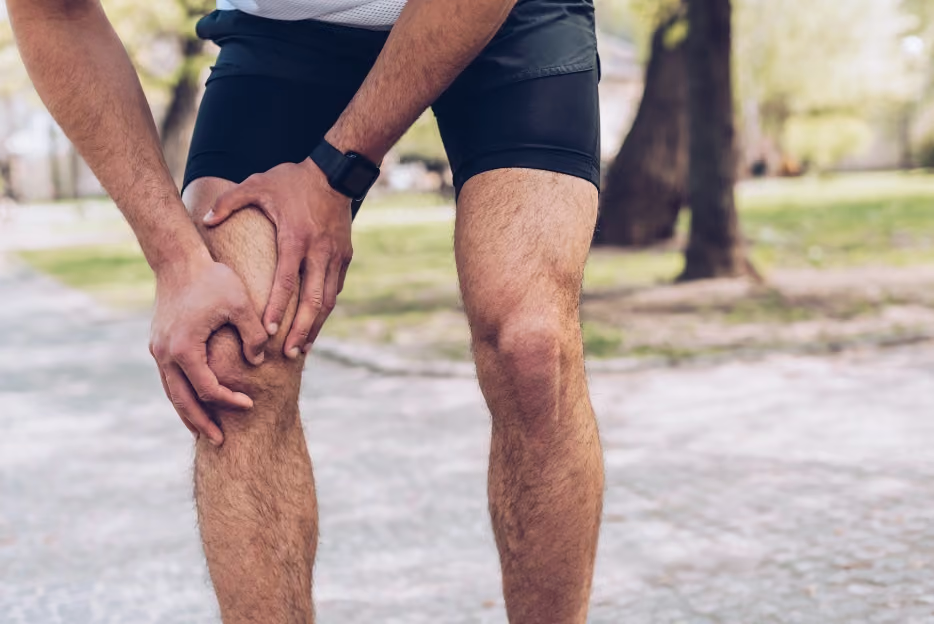
If your knees ache every time you climb stairs, sit in the car too long, or stand up from your desk, you’re not alone. Knee pain is one of the most common complaints among adults, and it’s not just something that happens to athletes.
Whether it’s from sitting too much, an old injury, or simply wear and tear, knee pain can quietly limit your daily routine. But with the right approach, you can reduce joint stiffness, rebuild strength, and get back to moving freely again.
Why Your Knees Might Be Hurting, Even Without an Injury
The knee supports your weight every time you stand, walk, or bend. Over time, small stresses can build up and cause discomfort, even without a single “injury moment.”
Common causes of knee pain include:
- Sitting for long periods or driving without movement breaks
- Muscle imbalances between the quads, hamstrings, and glutes
- Weak hip or core muscles
- Overuse from repetitive activity (like running or climbing stairs)
- Early arthritis or joint degeneration
- Sharp knee pain going down the steps or standing from a seated position
- Weak glutes or tight hip flexors can cause the knee to twist inward during movement.
- Limited ankle mobility can shift pressure to the front of the knee.
- Poor posture or gait habits can cause one leg to be overloaded more than the other.
Pain with leg extension at the knee is a common sign of patellofemoral tracking issues, in which the kneecap moves slightly off its usual path. This can cause pain during simple movements like climbing stairs, standing up from a chair, or descending steps.
Knee Pain After Driving or Sitting? Here’s Why
Do you feel additional pressure behind the knee because of tight hamstrings or reduced joint mobility after driving? If your knees feel stiff or sore, you’re probably keeping them bent for long periods without movement. This position increases joint pressure and tightens surrounding muscles, especially the hip flexors and hamstrings. To help:
- Stretch your legs before and after driving.
- Take breaks on long trips to stretch your legs.
- Try adjusting your seat height so your knees are slightly lower than your hips.
- Apply a gentle pain-relief patch for temporary comfort after sitting too long.
How Physiotherapy Targets the Root Cause of Knee Pain
Physiotherapy looks beyond the sore spot. Knee pain often isn’t just about the joint; it can start in the hips, ankles, or even how you walk and move every day.
A registered physiotherapist checks muscle strength, joint mobility, walking patterns, and balance to identify why your knee is under extra stress. Once those patterns are clear, treatment focuses on restoring balance and improving movement, so your knees work efficiently again. Unlike short-term pain patches or medication, physiotherapy makes your body move better to avoid flare-ups later.
What a Typical Physiotherapy Plan Looks Like
A physiotherapy plan for knee pain isn’t a one-size-fits-all checklist; it’s a gradual process to rebuild movement, strength, and confidence in your knees. Here’s what that process usually looks like:
1. Manual Therapy
Manual therapy helps loosen stiff joints and release tension in the surrounding soft tissues. It’s often the first step in restoring comfort and mobility before exercise begins.
2. Targeted Strengthening
Strong muscles protect your joints. Exercises for the quadriceps, hamstrings, and glutes help stabilize the knee, balance the load between your legs, and prevent recurring pain.
3. Movement Retraining
A physiotherapist looks at how you walk, climb stairs, and even stand up from a chair. Correcting these small movement patterns helps reduce unnecessary strain on your knee joints.
4. Balance and Coordination Training
Improving your balance helps your knees react better to changes in position, which is key to preventing slips, twists, and overuse injuries.
5. Taping or Bracing
Supportive taping or braces can reduce pressure on the joint during recovery or physical activity. These are often temporary tools that make movement more comfortable while your strength builds.
6. Stretching and Posture Work
Tight hips or ankles can throw off knee alignment. Mobility exercises and posture correction help restore natural movement in your lower body.
Can a Chiropractor Help with Knee Pain Too?
Yes, especially when your pain is related to joint alignment or mobility issues. Chiropractic care can be beneficial when discomfort stems from joint alignment, pelvic imbalance, or movement compensation in nearby areas like the hips, ankles, or lower back. When these joints move better together, the pressure on your knees often decreases naturally.
A chiropractor can:
- Improve joint mobility in the knees, hips, and lower spine
- Correct pelvic misalignment that alters your gait
- Reduce inflammation and pressure through precise adjustments
- Support overall joint mechanics, so your legs move more efficiently
When combined with physiotherapy, chiropractic treatment helps restore proper alignment and retrain the muscles that stabilize your knees. This combination helps reduce recurring pain, improve balance, and maintain healthy long-term movement patterns.
Moving Forward Without Knee Pain
You don’t have to live with persistent knee pain or rely on patches and painkillers. With the right physiotherapy plan, you can rebuild strength and restore movement.
At Chiro-Med, physiotherapists and chiropractors work together to help patients recover from chronic knee pain, sports injuries, and mobility issues. The goal is to help you move with confidence again, whether that means taking the stairs, sitting through a long drive, or getting back to your favourite activities.
For questions, guidance, or more information, call us at any time!
We accept all extended health care insurances, motor vehicle accidents and W.S.I.B.

